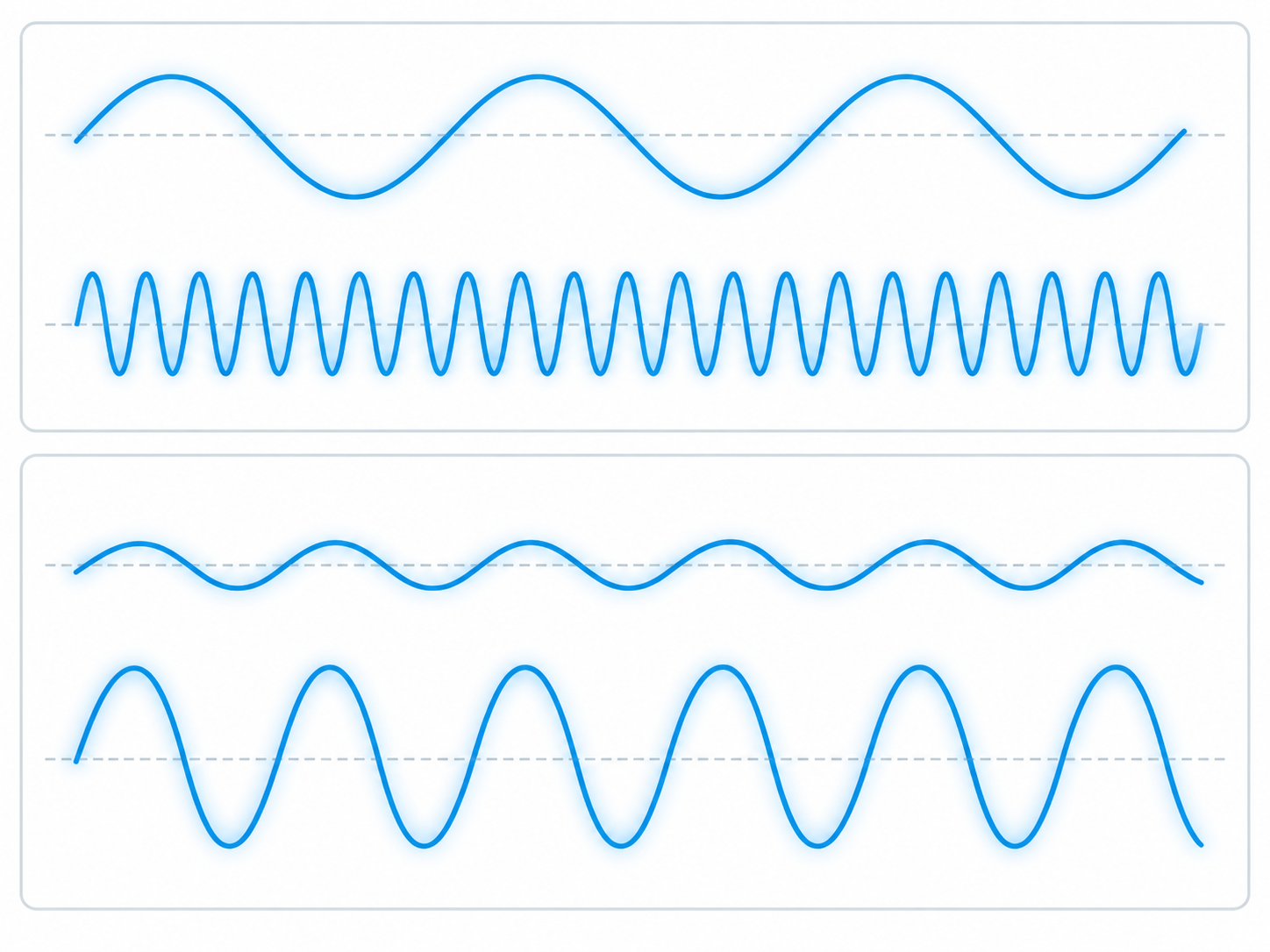
You've noticed you're asking people to repeat themselves more often. The TV volume keeps creeping up. Restaurant conversations feel exhausting. Now you're wondering: What's happening to my hearing? Why can't I understand people like I used to?
Understanding how hearing worksâand where it commonly breaks downâhelps you make sense of your experience. More importantly, it helps you understand why certain treatments help and what you can still do to protect the hearing you have.
Your Remarkable Hearing System: How It Works
Before we talk about what goes wrong, let's appreciate what's supposed to happen. Your hearing system is an engineering marvel that converts invisible air vibrations into the rich soundscape of your lifeâfrom your grandchild's laugh to the warning honk of a car horn.
The Journey from Sound Wave to Brain Signal
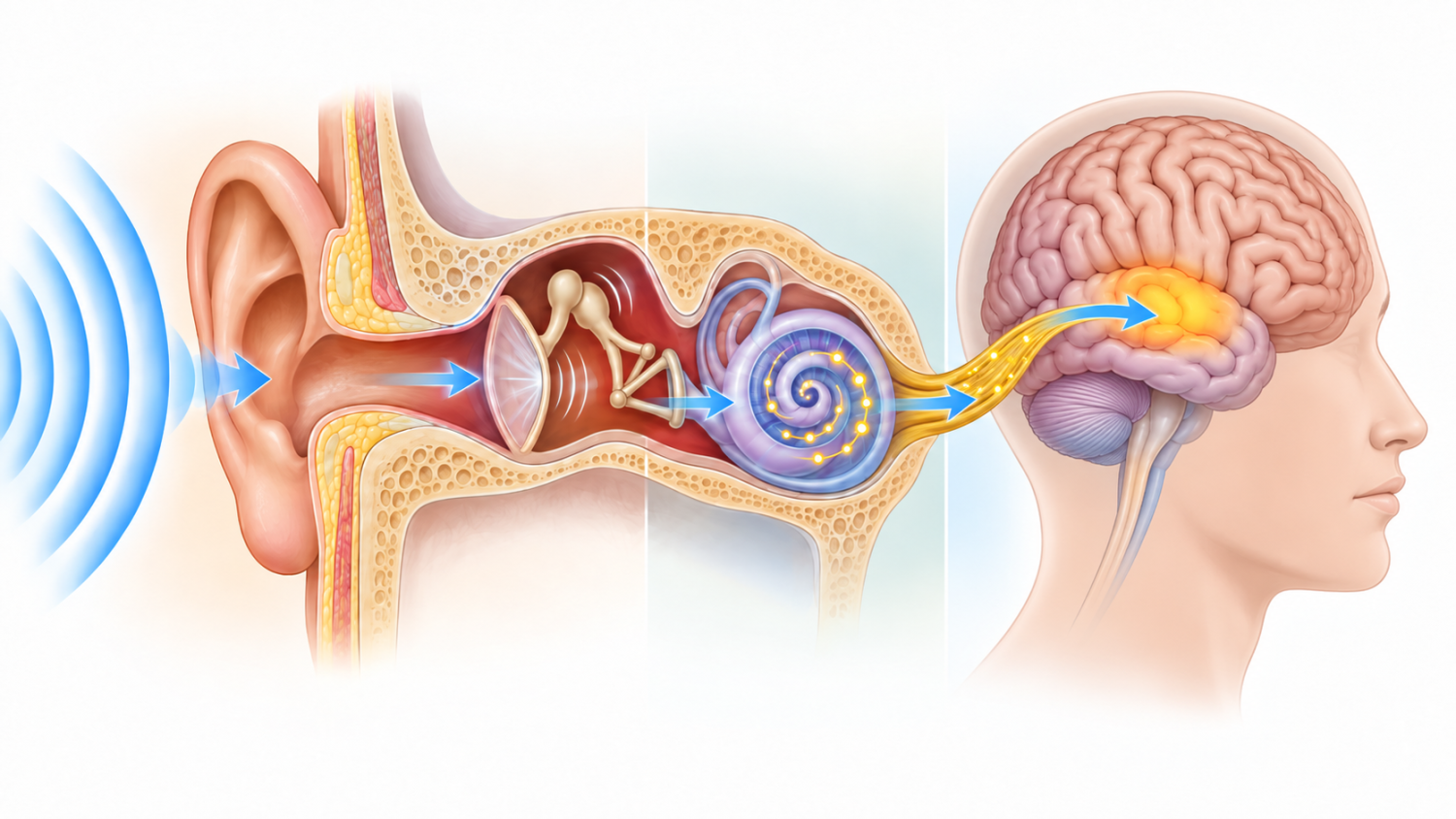
Here's how sound becomes hearing in four critical steps:
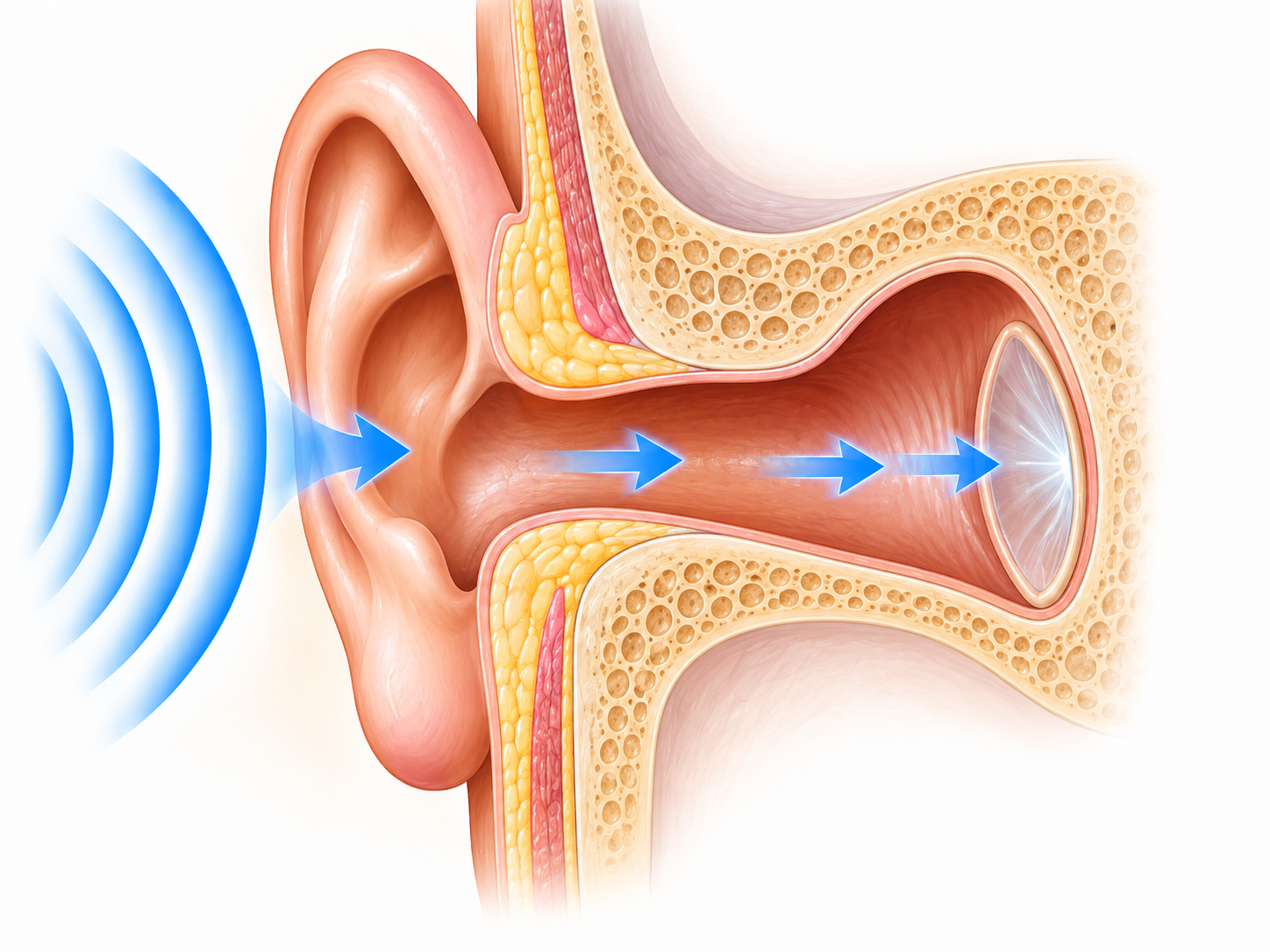
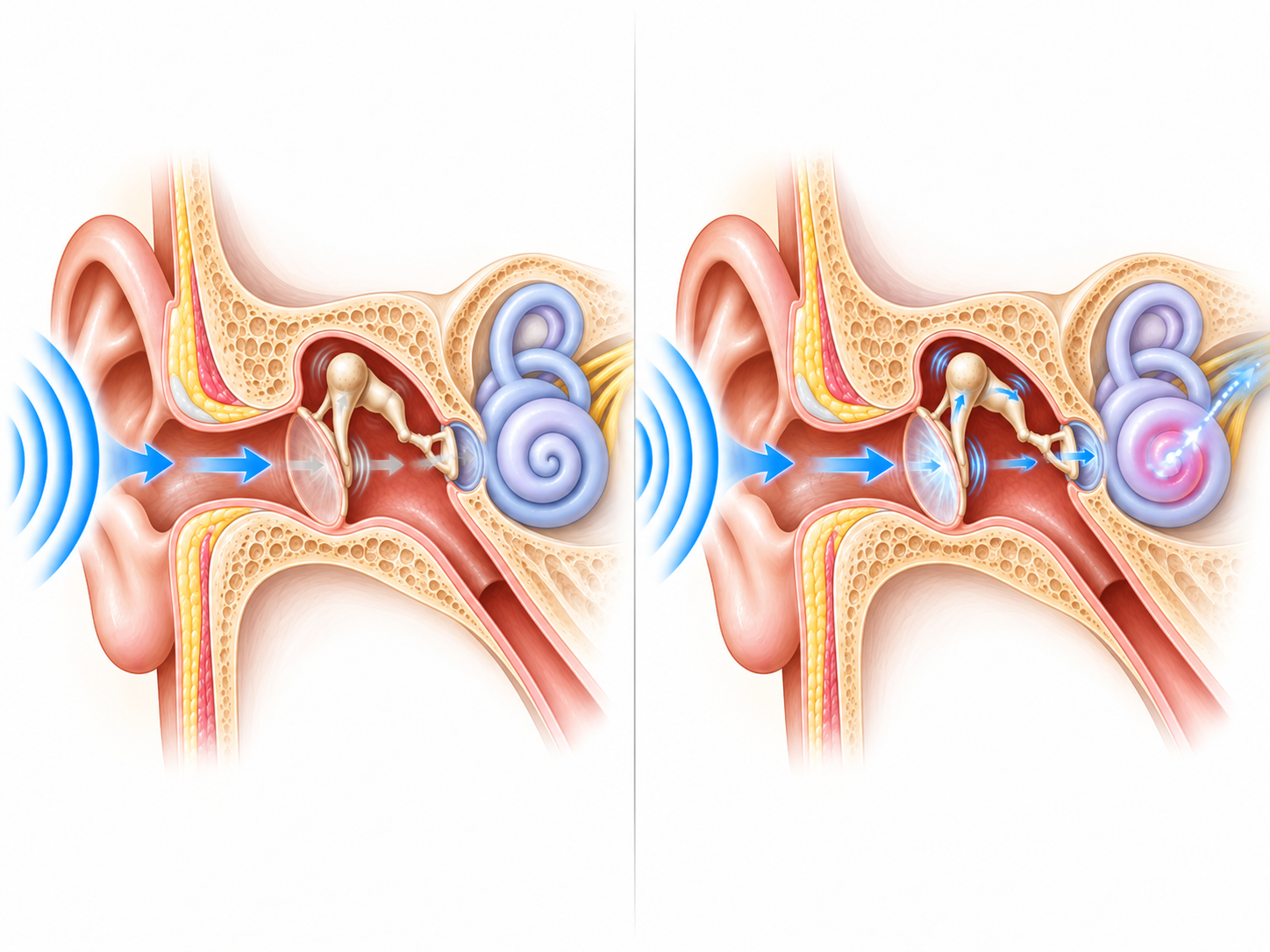
1. Sound waves reach your outer ear. When someone speaks or music plays, it creates vibrations in the airâsound waves. Your outer ear (the visible part we call the "ear" and the ear canal) acts like a funnel, capturing these sound waves and directing them inward toward your eardrum.
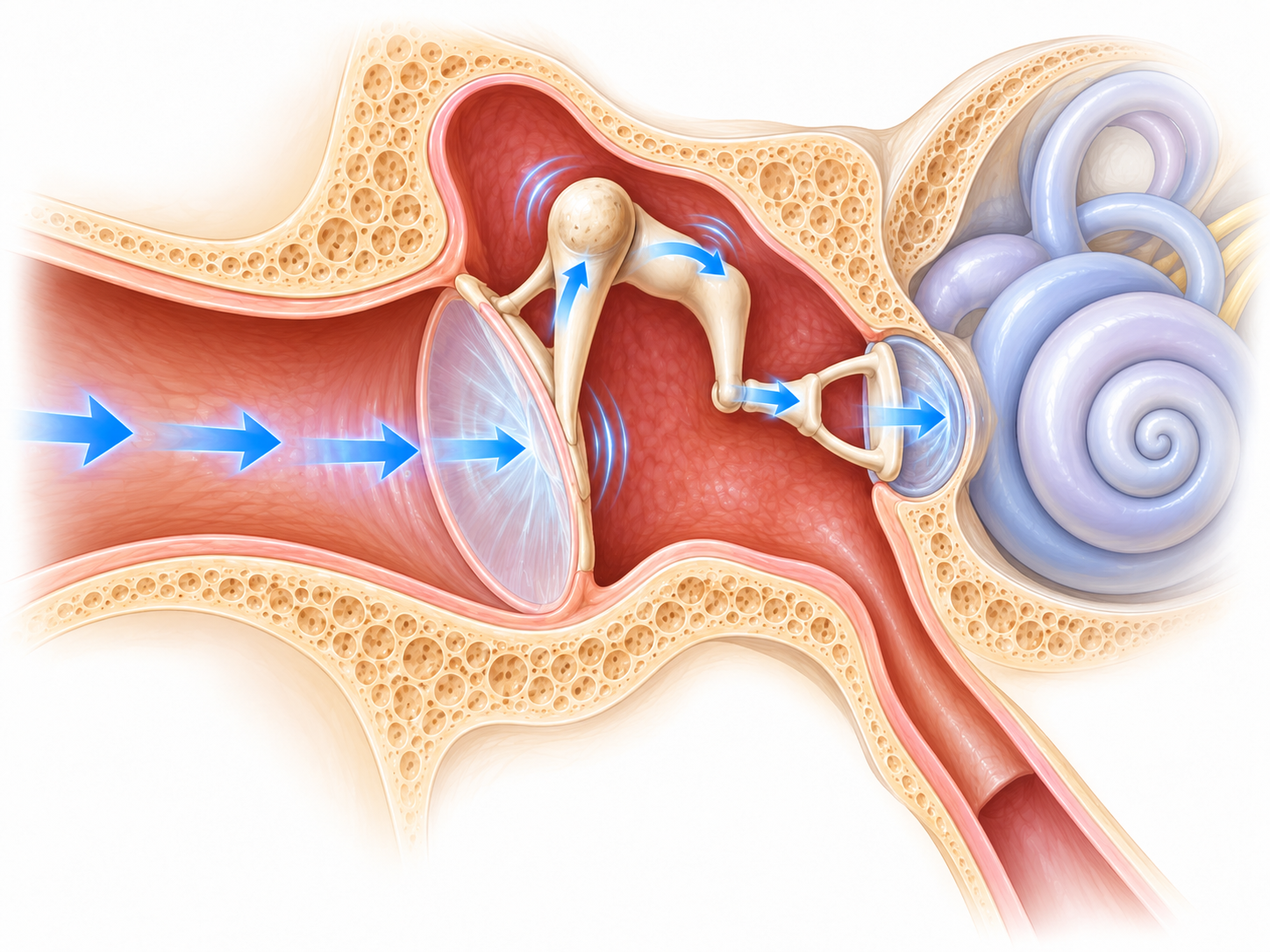
2. Your middle ear amplifies the vibration. Sound waves hit your eardrum, causing it to vibrate like the head of a drum. These vibrations transfer to three tiny bones behind the eardrumâthe malleus (hammer), incus (anvil), and stapes (stirrup)âcollectively called the ossicles. These bones work together like a lever system, amplifying the sound vibrations by about 22 times before passing them to your inner ear. Without this amplification, most sounds would be too quiet to hear.
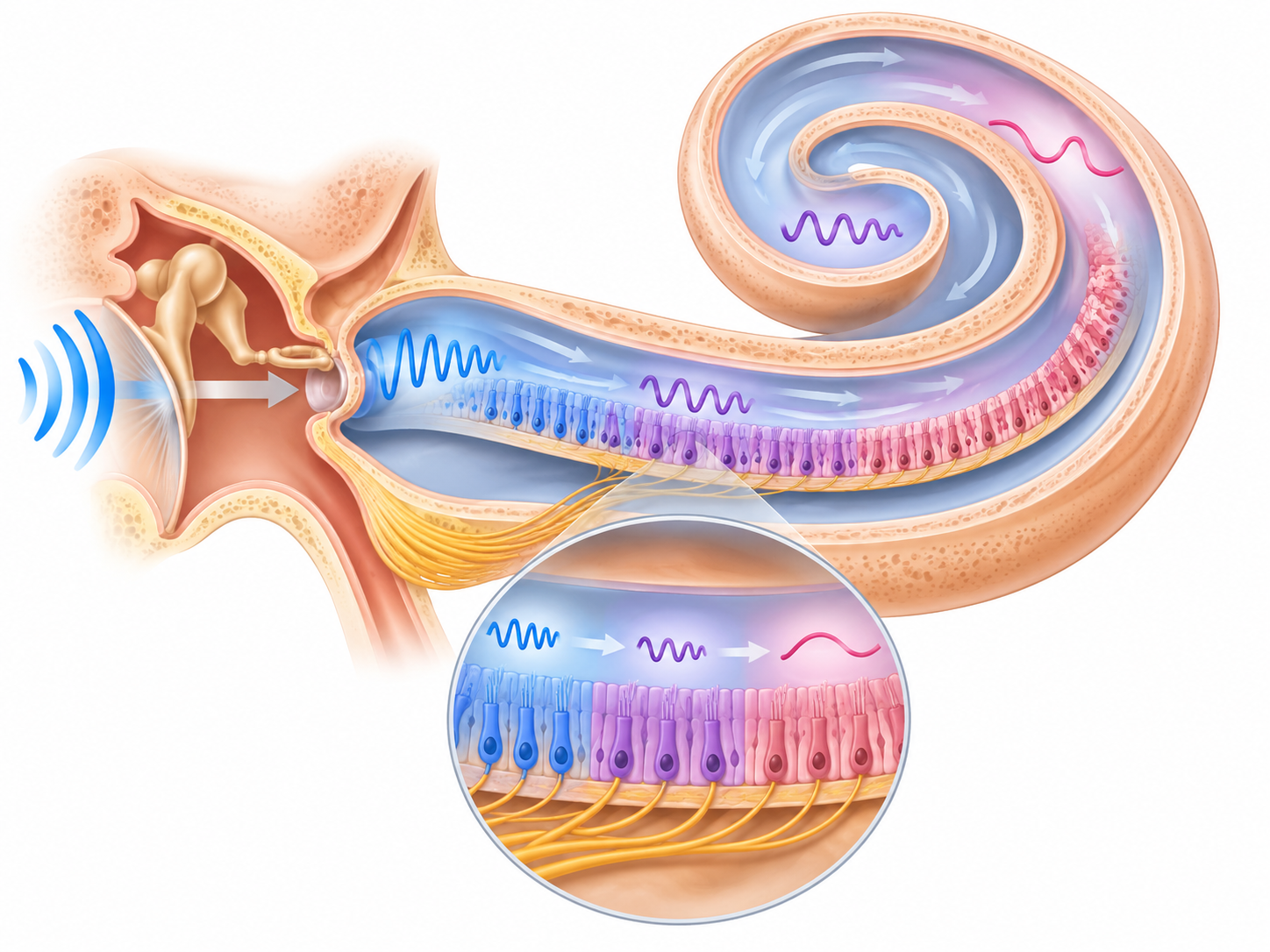
3. Your inner ear converts vibration into electrical signals. The amplified vibrations reach your cochleaâa snail-shaped organ filled with fluid and lined with approximately 16,000 hair cells. As vibrations ripple through the cochlear fluid, they bend these microscopic hair cells. Different frequencies (pitches) of sound cause hair cells in different locations to bend. When hair cells bend, they generate electrical signals. This is where the magic happens: mechanical vibrations become neural impulses your brain can understand.
4. Your auditory nerve delivers signals to your brain. The electrical signals travel from the cochlea through the auditory nerve to your brain's auditory processing centers. Your brain interprets these signals as distinct sounds, recognizes patterns (like speech), filters background noise, and helps you locate where sounds come from. This happens so fast you experience it as instantaneous hearing.
Why This Matters for Understanding Hearing Loss
Each part of this pathway can experience problems. When your audiologist diagnoses "conductive hearing loss," they're identifying problems in the outer or middle earâthe mechanical amplification system. "Sensorineural hearing loss" means problems in the inner ear or auditory nerveâthe signal conversion and transmission system. Understanding where your hearing breaks down helps determine which treatments will help.
The Vulnerability: Hair Cells Don't Regenerate
Here's the critical thing to understand: those 16,000 hair cells in your cochlea are all you get for life. Unlike skin cells or blood cells, cochlear hair cells don't regenerate when damaged. Birds and fish can regrow hair cells after damage, but mammalsâincluding humansâcannot.
This is why noise-induced hearing loss is permanent. It's why age-related hearing loss doesn't reverse. Once hair cells are damaged or die, they're gone. This reality shapes everything about hearing loss prevention and treatmentâwe can protect remaining hair cells, and we can amplify sound to stimulate surviving hair cells more effectively, but we cannot bring back what's lost.
That said, scientists are actively researching hair cell regeneration. Several promising approaches are in clinical trials. For now, though, protection and early intervention remain your best strategies.
What Commonly Goes Wrong: The Major Causes of Hearing Loss
Now that you understand the system, let's look at what commonly damages itâand what you can do about each cause.
Noise Exposure: The Preventable Cause
Noise-induced hearing loss is one of the most common causesâand the only one that's completely preventable. Loud sounds physically damage those hair cells we talked about. The louder the sound and the longer the exposure, the more hair cells die.
What counts as "too loud"? Sound is measured in decibels (dB). Normal conversation registers about 60 dB. Prolonged exposure above 85 dBâthink heavy traffic or a lawn mowerâcan cause damage over time. Above 100 dB (concerts, power tools, motorcycles), damage happens faster, sometimes in minutes rather than hours.
How noise damages hearing: Excessively loud sounds cause hair cells to bend too far or too forcefully. This physical stress damages or kills them. High-frequency hair cells (which process consonants like "s," "f," and "th") are usually damaged first, which is why people with early noise-induced hearing loss often say, "I can hear people talking, but I can't understand the words."
The risk is cumulative. A single very loud event can damage hearing, but so can years of moderate noise exposure. If you've worked in construction, served in the military, attended concerts regularly, or used power tools without protection, you've likely accumulated noise damage even if no single event felt harmful.
What you can do: Wear hearing protection (earplugs or earmuffs) when using power tools, attending concerts, riding motorcycles, or in any situation where you need to raise your voice to be heard by someone three feet away. Limit duration when you can't control volume. Turn down the volume on personal devices.
Age-Related Hearing Loss (Presbycusis)
Age-related hearing lossâcalled presbycusisâis the most common cause of hearing loss in adults. About one-third of people over 65 and half of people over 75 experience it. Like graying hair, it's a normal part of aging, though severity varies widely between individuals.
What causes presbycusis: Multiple factors contribute. Hair cells naturally deteriorate over decades. The stria vascularis (the part of the cochlea that supplies energy to hair cells) degenerates. Blood supply to the inner ear diminishes. Accumulated lifetime noise exposure adds up. Genetic factors play a role in who experiences more or less age-related change.
The typical pattern: High-frequency hearing loss develops first, usually affecting both ears equally. You might notice you can't hear birds singing as clearly, or that women's and children's voices are harder to understand than men's deeper voices. Speech understanding in noisy environments becomes difficult well before quiet conversations are affected.
What you can do: While you can't stop aging, you can protect your hearing from additional damage (hearing protection, avoiding loud noise), maintain cardiovascular health (good blood flow to the inner ear helps), and address hearing loss early with hearing aids. Research suggests that treating hearing loss helps maintain cognitive function as you age.
Medications That Damage Hearing (Ototoxic Drugs)
More than 200 medications can damage the inner earâa property called ototoxicity. Some cause temporary hearing changes, while others cause permanent damage.
Common ototoxic medications include:
- Certain antibiotics (aminoglycosides like gentamicin, some quinolones)
- Chemotherapy drugs (cisplatin, carboplatin)
- High-dose aspirin and NSAIDs
- Loop diuretics (furosemide/Lasix)
- Quinine and chloroquine
How they cause damage: These drugs can damage hair cells, the stria vascularis, or both. High doses, prolonged use, kidney problems, and concurrent use of multiple ototoxic drugs increase risk. Sometimes hearing loss is immediate and obvious; other times it's gradual.
What you can do: Never stop prescribed medications without consulting your doctor. If you need ototoxic medications (especially chemotherapy or certain antibiotics), ask about hearing monitoring during treatment. Report any hearing changes immediatelyâsometimes adjusting dosage or switching medications can prevent permanent damage.
Medical Conditions Affecting Hearing
Several health conditions can contribute to hearing loss:
Cardiovascular disease reduces blood flow to the inner ear. The cochlea needs a constant supply of oxygen-rich blood to function. Poor circulation, high blood pressure, high cholesterol, and diabetes all correlate with increased hearing loss risk. Managing these conditions helps protect your hearing.
Diabetes appears to double the risk of hearing loss, possibly through damage to small blood vessels in the inner ear or to the hearing nerve itself. Good blood sugar control may help protect hearing.
Autoimmune conditions like lupus, rheumatoid arthritis, or Sjögren's syndrome can cause inflammation in the inner ear, leading to hearing loss. This is sometimes reversible with prompt treatment using steroids or other immunosuppressants.
Infectionsâboth childhood infections (measles, mumps, meningitis) and ongoing ear infectionsâcan damage hearing structures. While vaccines have reduced hearing loss from childhood diseases, chronic ear infections remain a treatable cause of hearing loss, especially in children.
Other Common Causes
Earwax buildup is surprisingly common and causes temporary hearing loss that resolves once the wax is removed. Your ear canal naturally produces wax to trap dirt and protect the eardrum. Sometimes it accumulates, especially if you use cotton swabs (which push wax deeper) or wear hearing aids or earbuds frequently. Never try to remove impacted earwax yourself with objectsâyou'll usually push it deeper or risk injuring your eardrum. See your doctor for safe removal.
Head injuries can damage the ear structures, skull bones around the ear, or hearing nerves. Even injuries that seemed minor at the timeâlike a concussionâcan cause hearing changes. If you've experienced head trauma and notice hearing changes, mention this to your audiologist.
Genetic factors account for about half of all hearing loss in children and play a role in adult hearing loss too. More than 100 genes are associated with hearing loss. Some genetic hearing losses are present at birth, while others develop later in life. If multiple family members have hearing loss, especially with similar patterns or ages of onset, genetics might be a factor. Genetic testing can sometimes identify the cause, which helps with family planning and understanding prognosis.
Acoustic neuromasâbenign tumors on the hearing nerveâare rare but can cause gradual hearing loss in one ear, often accompanied by tinnitus and balance problems. Asymmetric hearing lossâwhere one ear is significantly worse than the otherâalways warrants further medical evaluation to rule out tumors or other structural problems.
Most People Have Multiple Causes
It's common for hearing loss to have several contributing factors working together. You might have some age-related changes plus years of noise exposure plus genetic predisposition. Your audiologist can often identify patterns in your hearing test that point to likely causes, which helps guide treatment decisions and protect your remaining hearing.
Understanding Different Types of Hearing Loss
Knowing what's causing your hearing loss matters, but so does knowing where the problem is in your hearing pathway. This determines which treatments will help.
Conductive Hearing Loss: Problems with Sound Transmission
Conductive hearing loss occurs when something blocks sound from traveling efficiently through your outer or middle ear to your inner ear. The inner ear and auditory nerve work fineâsound just isn't reaching them effectively.
Common causes of conductive hearing loss:
- Earwax blocking the ear canal
- Ear infections causing fluid buildup behind the eardrum
- Perforated (torn) eardrum
- Otosclerosis (abnormal bone growth in middle ear)
- Damage to the ossicles from infection or injury
The good news: Conductive hearing loss can often be medically or surgically corrected. Earwax can be removed. Infections can be treated. Eardrums can be repaired. Otosclerosis can be surgically corrected. This is the most "fixable" type of hearing loss.
Sensorineural Hearing Loss: Problems with Signal Processing
Sensorineural hearing loss (SNHL) involves damage to the inner earâusually those hair cells in the cochleaâor to the auditory nerve itself. Sound reaches the inner ear fine, but the system can't convert vibrations to clear neural signals or transmit them effectively to the brain.
Common causes of sensorineural hearing loss:
- Noise exposure damaging hair cells
- Age-related hair cell deterioration
- Ototoxic medications
- Genetic factors
- Acoustic neuroma or other nerve tumors
- Viral infections damaging the inner ear
The reality: Sensorineural hearing loss is usually permanent because we cannot regenerate damaged hair cells. However, hearing aids can amplify sound to stimulate remaining hair cells more effectively. For severe-to-profound SNHL where hearing aids don't help enough, cochlear implants can bypass damaged hair cells entirely by directly stimulating the auditory nerve.
Mixed Hearing Loss: Both Types Together
Many people have both conductive and sensorineural components. For example, you might have age-related hair cell loss (sensorineural) plus chronic ear infections (conductive). Treatment addresses both componentsâmaybe surgery to fix the conductive part and hearing aids for the sensorineural part.
Common Questions
It depends on the type and cause. Conductive hearing loss (caused by problems in the outer or middle ear, like fluid, earwax, or damaged ear bones) can often be medically or surgically corrected. Sensorineural hearing loss (damage to the inner ear or hearing nerve) is usually permanent because hair cells don't regenerate. However, some causes like sudden hearing loss may respond to prompt medical treatment with steroids. While we can't reverse most inner ear damage, we can help you hear better through hearing aids, cochlear implants, or other devices.
A comprehensive hearing evaluation by an audiologist can identify patterns that suggest certain causes. Your audiologist will ask about your medical history, noise exposure throughout your life, family history of hearing loss, and medications. The type of hearing loss (conductive vs. sensorineural), which frequencies are affected, and whether it's in one ear or both all provide clues. Sometimes additional tests like imaging studies (MRI or CT scans) are needed to pinpoint the cause, especially if hearing loss is sudden, rapidly progressing, or affecting only one ear.
Not everyone, but it's very common. About one-third of people over 65 have some degree of hearing loss, and that number increases to about half of people over 75. However, the severity varies widely based on genetics, lifetime noise exposure, overall health (especially cardiovascular health), and other factors. Some people in their 80s have excellent hearing, while others notice significant changes in their 50s. The key is protecting the hearing you have and addressing changes early when intervention is most effective.
If noise was a contributing factor, protecting your ears from further loud noise exposure can definitely prevent additional damage. However, if age-related changes or medical conditions are involved, hearing might continue to change over time despite protection. That said, hearing protection is always worthwhileâit preserves the hearing you have and prevents new damage from adding to existing loss. Think of it like sun protection for your skin: you can't undo past sun damage, but you can prevent future damage.
This is one of the most common complaints and directly relates to how hair cells are damaged. High-frequency hair cells (which process consonant sounds like s, f, th, sh) are typically damaged first by both noise and aging. In quiet environments, your brain can use context clues to fill in missing consonants. But in noisy environments, background noise masks those already-weak consonants completely. Your brain loses the context clues, making speech understanding much harder. This is why "I can hear but I can't understand" is such a classic description of early hearing lossâand why hearing aids programmed to boost high frequencies specifically can help so much.
Yes, asymmetric hearing lossâwhere one ear is significantly worse than the other or hearing loss occurred suddenly in one earâwarrants prompt medical evaluation. While it can result from benign causes like earwax or ear infections, it can also indicate acoustic neuroma (a benign tumor), sudden sensorineural hearing loss requiring urgent treatment, or MĂ©niĂšre's disease. Your doctor will likely recommend imaging (MRI) to rule out structural causes. Don't delay getting this checked.
The Bottom Line
Your hearing system is remarkable but vulnerable. Understanding how sound travels from vibrations in the air to electrical signals in your brain helps you appreciate why different causes require different treatments. Noise damage, age-related changes, medical conditions, medications, and genetic factors can all affect different parts of this pathwayâand knowing where the problem is guides effective intervention.
Most importantly: whatever's causing your hearing loss, options exist to help you hear better and stay connected to the people and activities you value. The first step is understanding what's happening. The next step is exploring what you can do about it.
Next Steps
Ready to get a clearer picture of your hearing and whatâs causing the changes? These resources walk you from âsomethingâs wrongâ to âhereâs what I can do.â